

How to Design ESD-Safe Workstations & Conductive Racks (IEC 61340-5-1 Guide)
Engineering checklist for electrostatic discharge (ESD) protected areas (EPAs) using conductive G-SACE pipes, nickel-plated joints, ESD mats, and SK-2141A ESD chairs.
- 10⁴–10⁹ Ω
- Target Surface Resistance
- IEC 61340-5-1
- International ESD Standard
Executive Summary & Engineering Takeaway
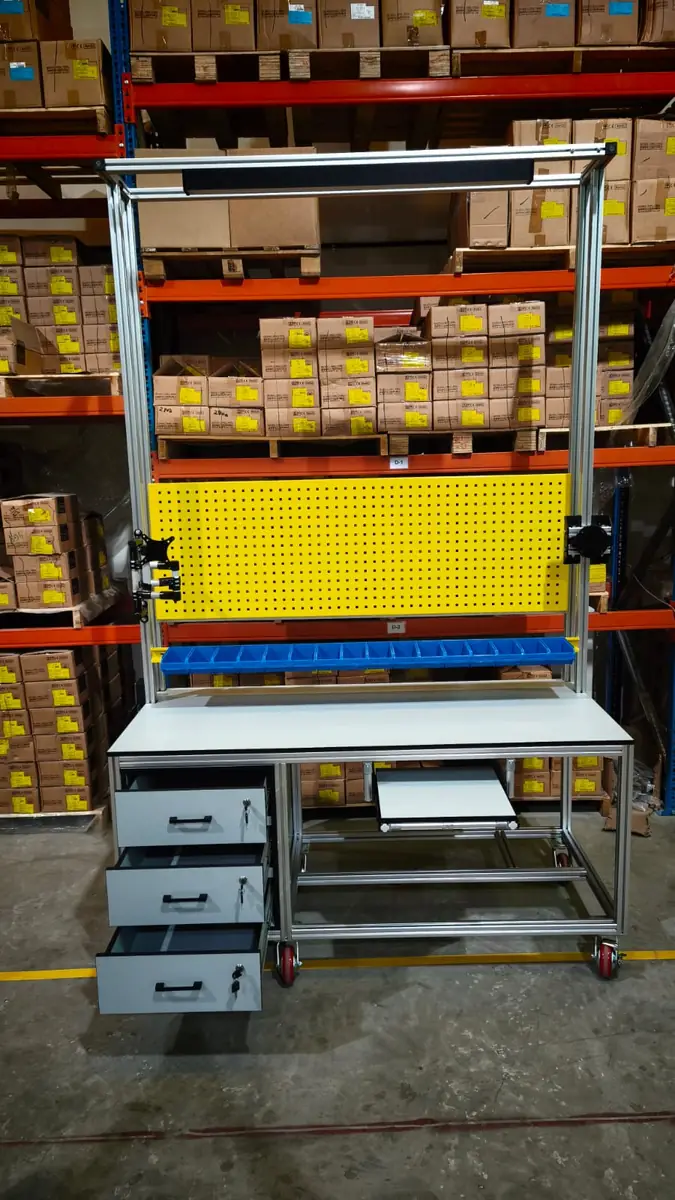
An ESD-safe workstation prevents latent electrostatic damage to PCBs and sensitive electronics by creating a continuous, controlled path to ground (10⁴ to 10⁹ ohms) across conductive modular pipes, nickel-plated clamp joints, dissipative work surfaces, ESD chairs, and wrist-strap grounding points in compliance with IEC 61340-5-1.
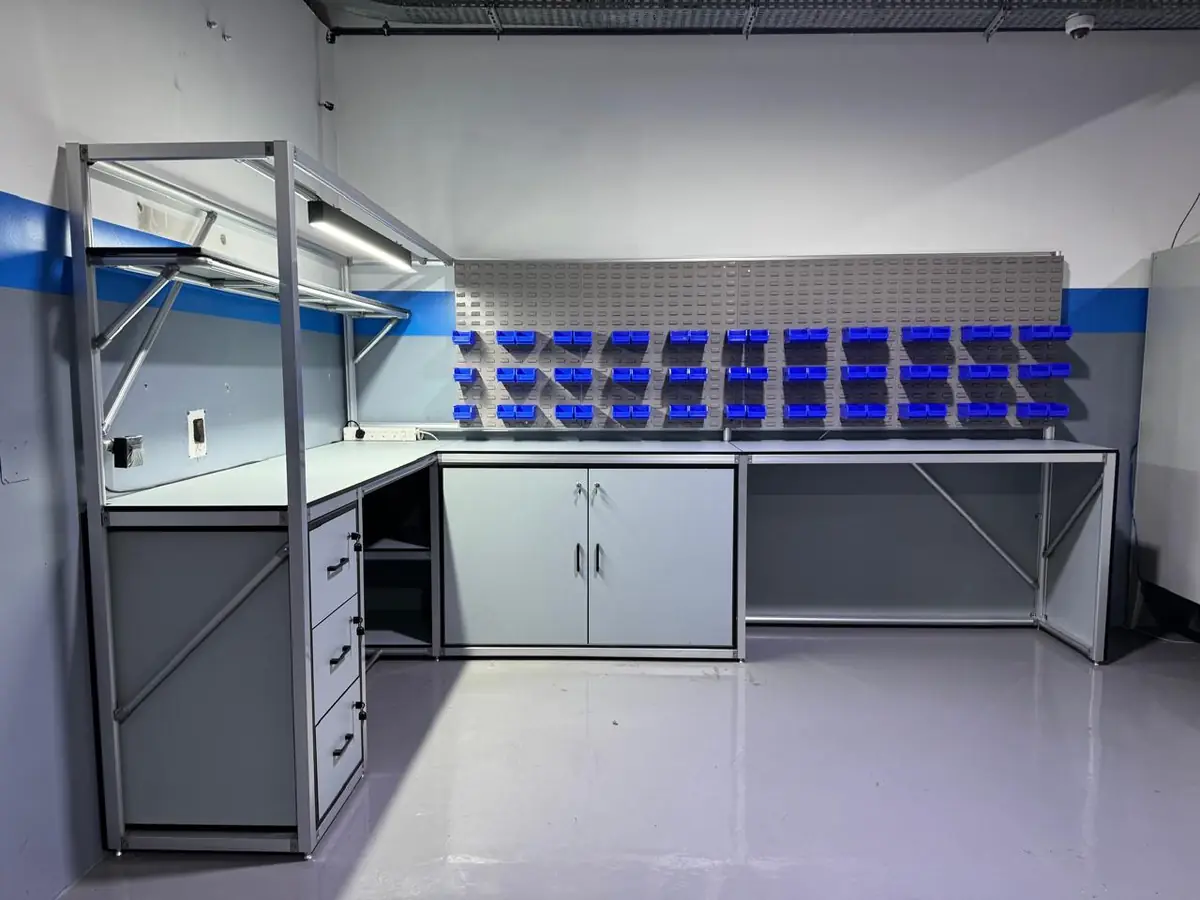
1. Why Standard Painted Tables Fail in Electronics & Defense Manufacturing
Electrostatic discharge far too small for a person to feel can destroy CMOS integrated circuits, avionics boards, and medical sensors. Powder-coated welded steel tables act as insulators that trap static charges on the work surface.
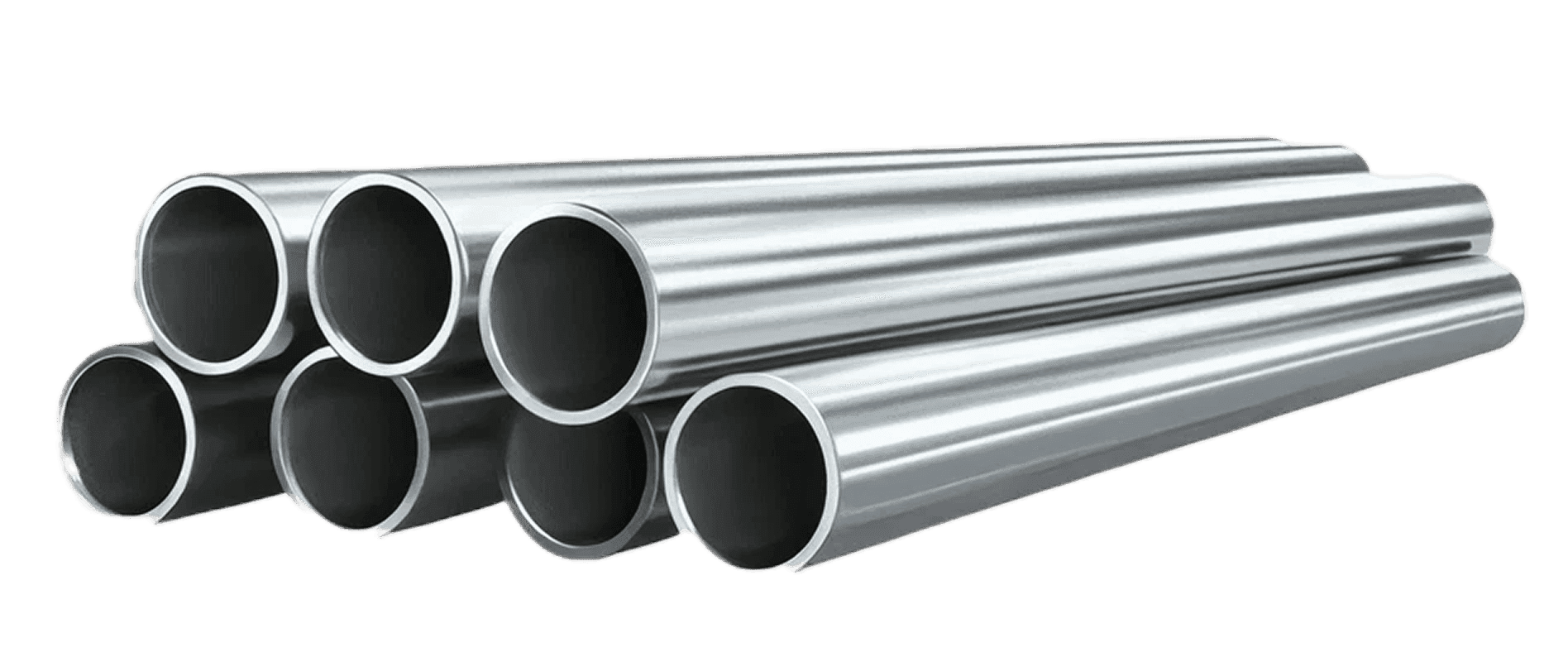
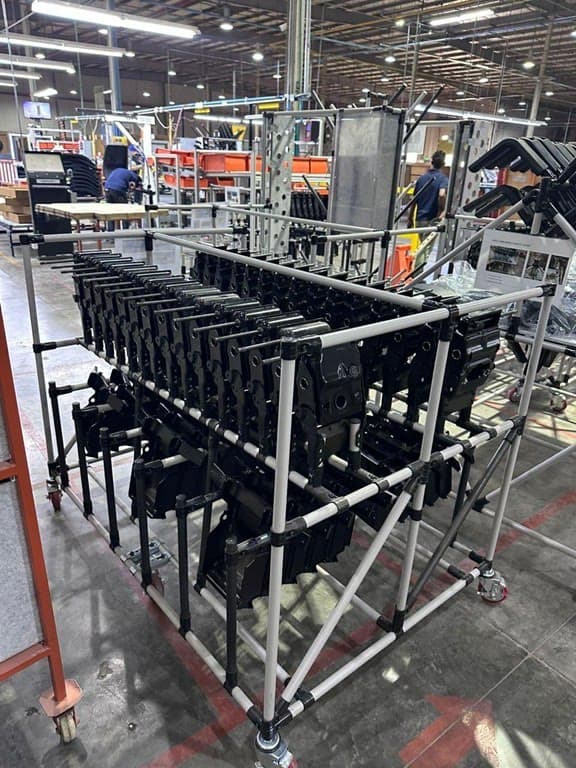
ADAPTIV builds EPA-compliant workstations and kitting trolleys using conductive carbon-polymer D-coated pipes (or aluminum pipes with ELF plates) paired with nickel-plated metal joints that bite into the conductive layer, so there is full electrical continuity from the top bin rail down to the conductive ESD caster wheels or grounding cord.
- Conductive Pipes & Nickel-Plated Joints: Continuous frame grounding without separate jumper wires on every joint.
- 2-Layer Static-Dissipative Tabletop Mat: Dissipates surface charge smoothly without sparking.
- SK-2141A ESD Ergonomic Chair & Conductive Rollers: Prevents triboelectric charge buildup as operators move or bins slide along FIFO roller tracks.
Frequently asked questions
Mobile ESD trolleys use conductive G-SACE pipes, nickel-plated joints, ESD conductive roller tracks, and conductive rubber casters (or a drag chain) that maintain continuous contact with the grounded ESD epoxy factory floor.
Related Guides & Use Cases
Explore more guides and use cases from ADAPTIV.

 Engineering Guide
Nov 1, 2026 · 6 min read
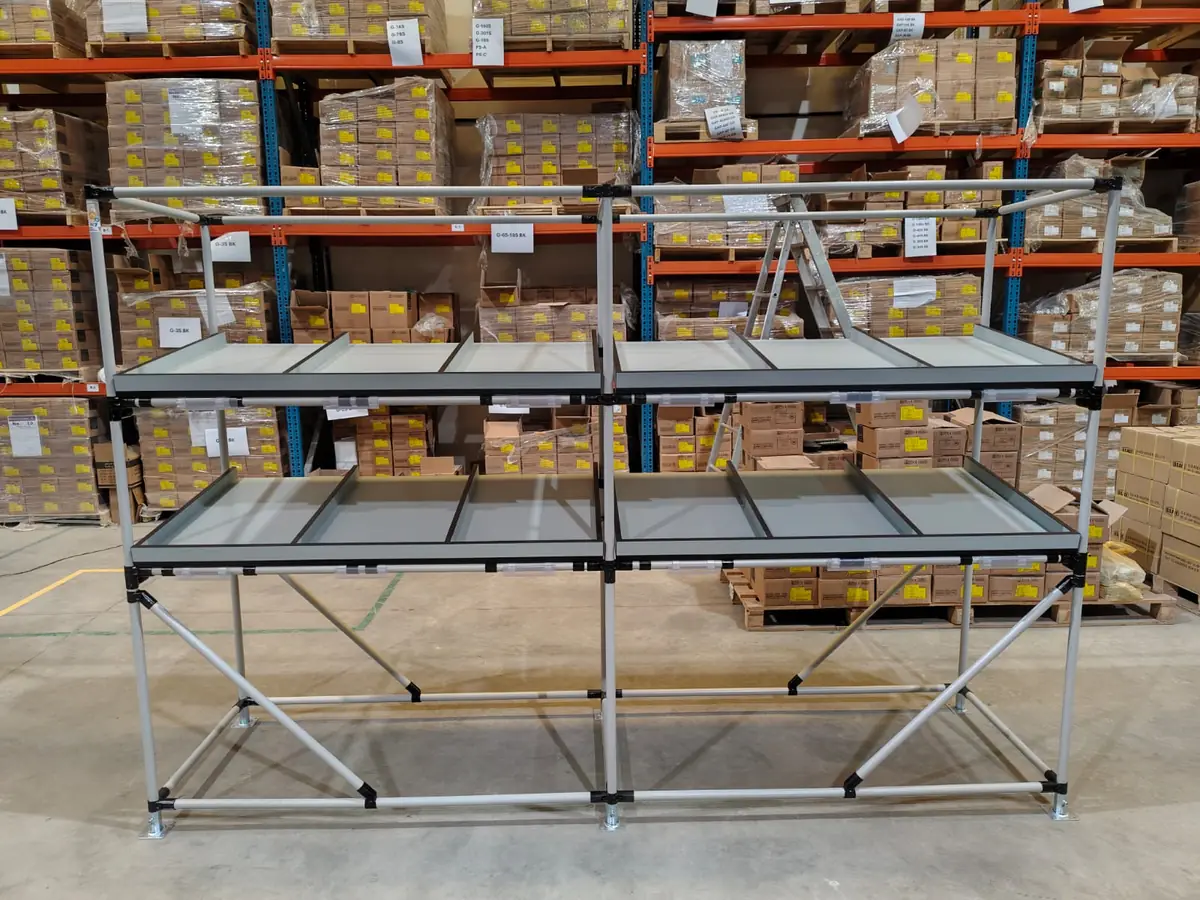
Aluminum vs. D-Coated Steel Pipe and Joint Systems: Complete Engineering Comparison
How to choose between 28mm resin-coated steel pipes (DP2807–DP2820) and aluminum modular pipes (AP2812 series) for workstations, FIFO flow racks, and mobile trolleys.
28 mmStandard Outer Diameter0.7–2.0 mmSteel Wall Thickness Options (DP2807–DP2820)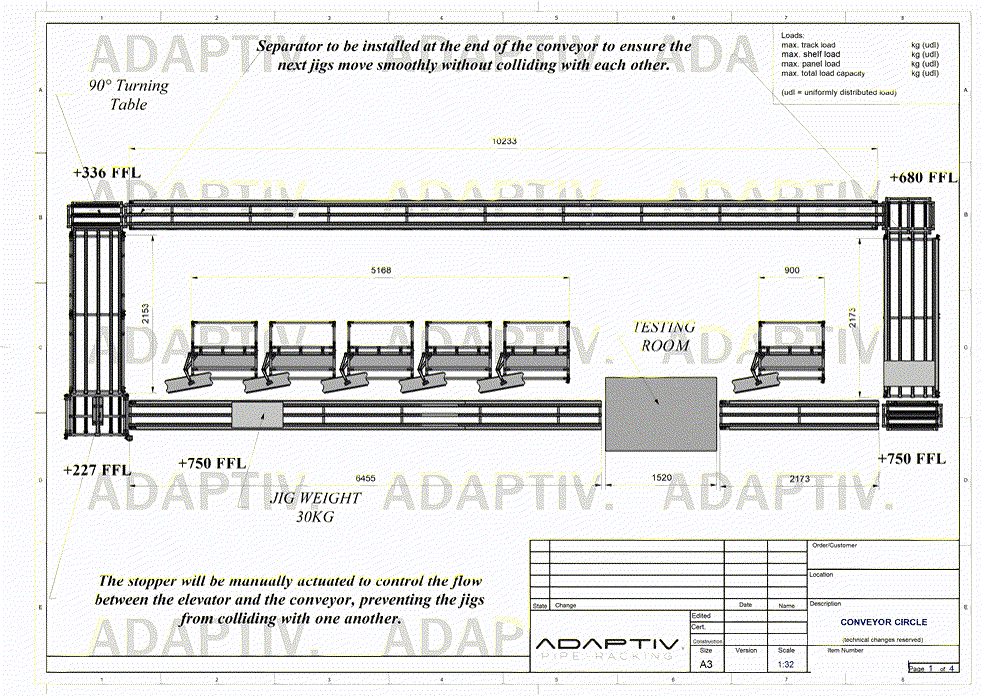 Engineering Guide
Oct 30, 2026 · 7 min read
Karakuri Kaizen: Building Zero-Energy Mechanical Automation with Pipes and Joints
How automotive and industrial plants use gravity, counterweights, cams, and G-SACE pipe-and-joint mechanisms to automate tote transfers with zero electricity.
20–30 kgJigs returned on rollers, not carried by hand5Operators on the line (ADAPTIV project)