

28mm Modular Pipe Wall Thickness Guide: Choosing DP2807 to DP2820
How to select pipe wall thickness (0.7mm, 1.0mm, 1.2mm, 2.0mm), plan spans, and reinforce heavy-duty modular racks using parallel double-pipe bracing.
- 28 mm
- Standard Outer Diameter
- 0.7–2.0 mm
- Steel Wall Thickness Range
Executive Summary & Engineering Takeaway
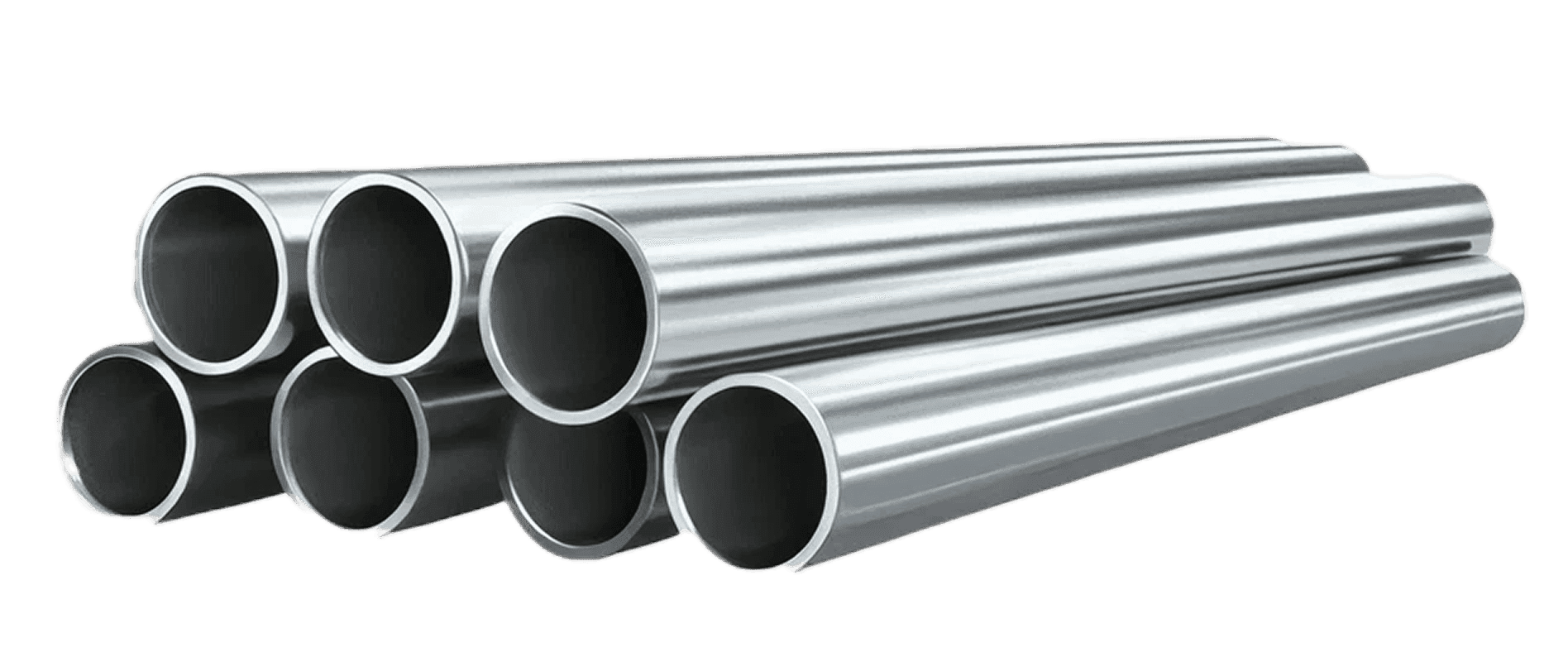
Wall thickness is the main choice: G-SACE 28mm steel pipes come in 0.7 mm (DP2807), 0.9 mm (DP2809), 1.4 mm (DP2814) and 2.0 mm (DP2820). Thicker walls, shorter spans, or a parallel double pipe carry more load; ADAPTIV's load calculation service sizes the right pipe for your exact span and weight.
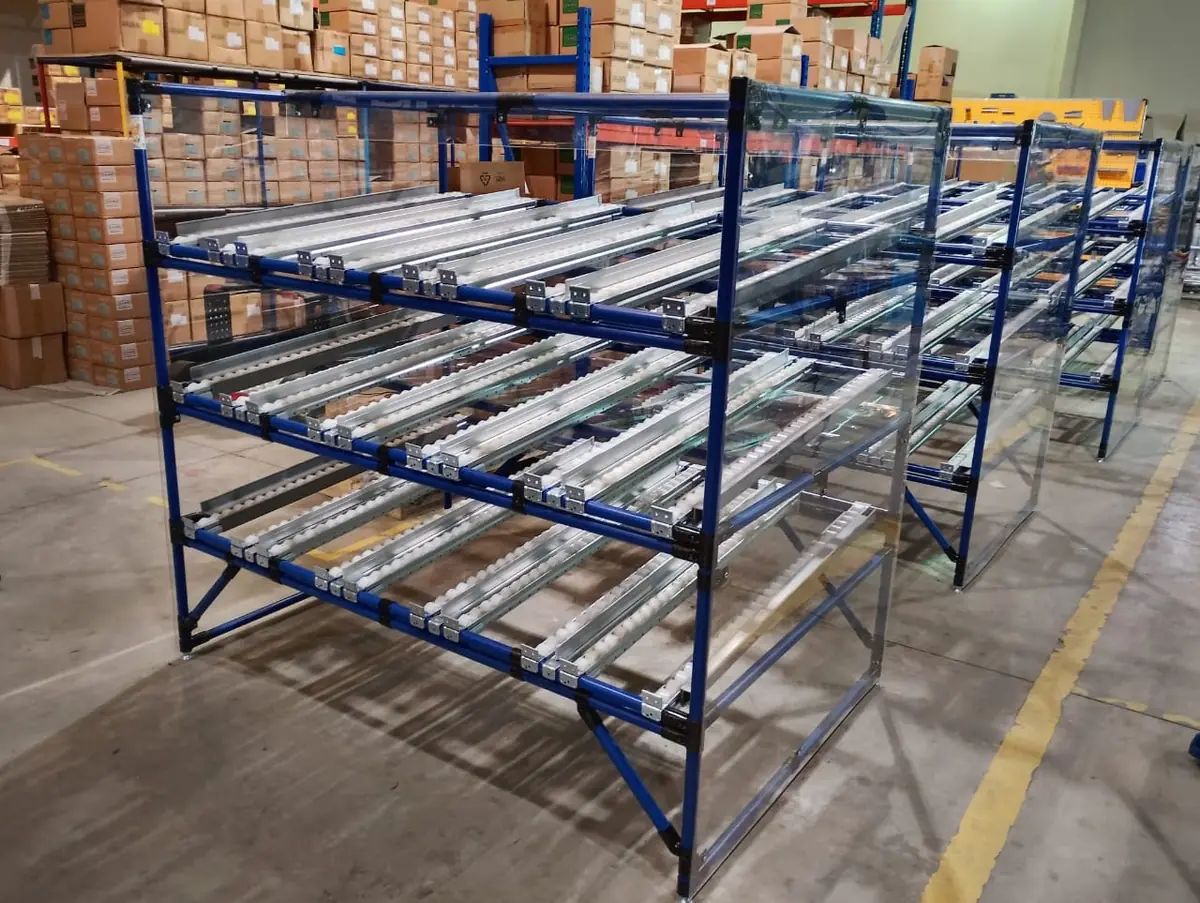
1. Choosing the Right Wall Thickness for Your Load
Selecting the right pipe thickness prevents over-engineering light structures and prevents sagging on heavy flow racks:
- 0.7 mm (DP2807): Ideal for 5S visual boards, light document holders, shadow foam frames, and empty-box return lanes.
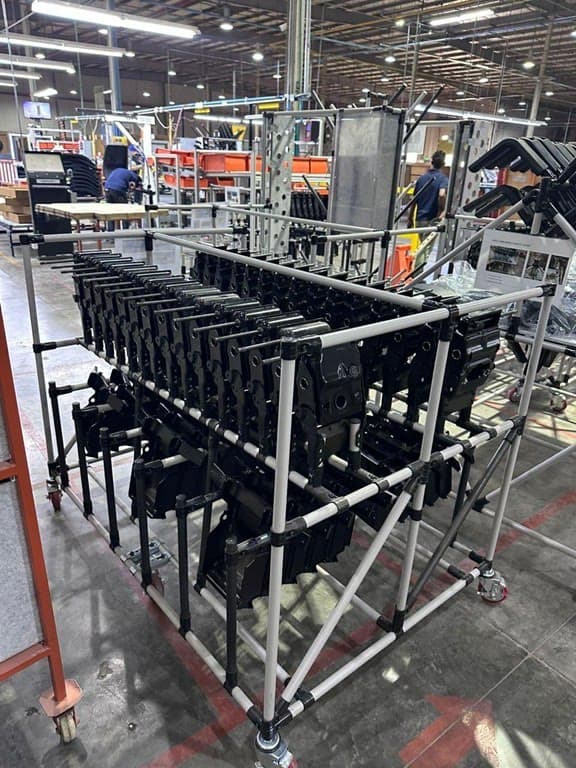
- 0.9 mm / 1.4 mm (DP2809 / DP2814): The industry workhorse for standard assembly workstations, kitting carts, and carton FIFO flow racks.
- 2.0 mm (DP2820): Heavy-duty structural posts, long-span beams, and high-payload tugger train trolleys.
Frequently asked questions
Keep unsupported horizontal spans between vertical posts short, use 1.4 mm or 2.0 mm wall thickness pipes for the front and rear load beams, or add a parallel reinforcement pipe underneath using double clamp joints.
Related Guides & Use Cases
Explore more guides and use cases from ADAPTIV.

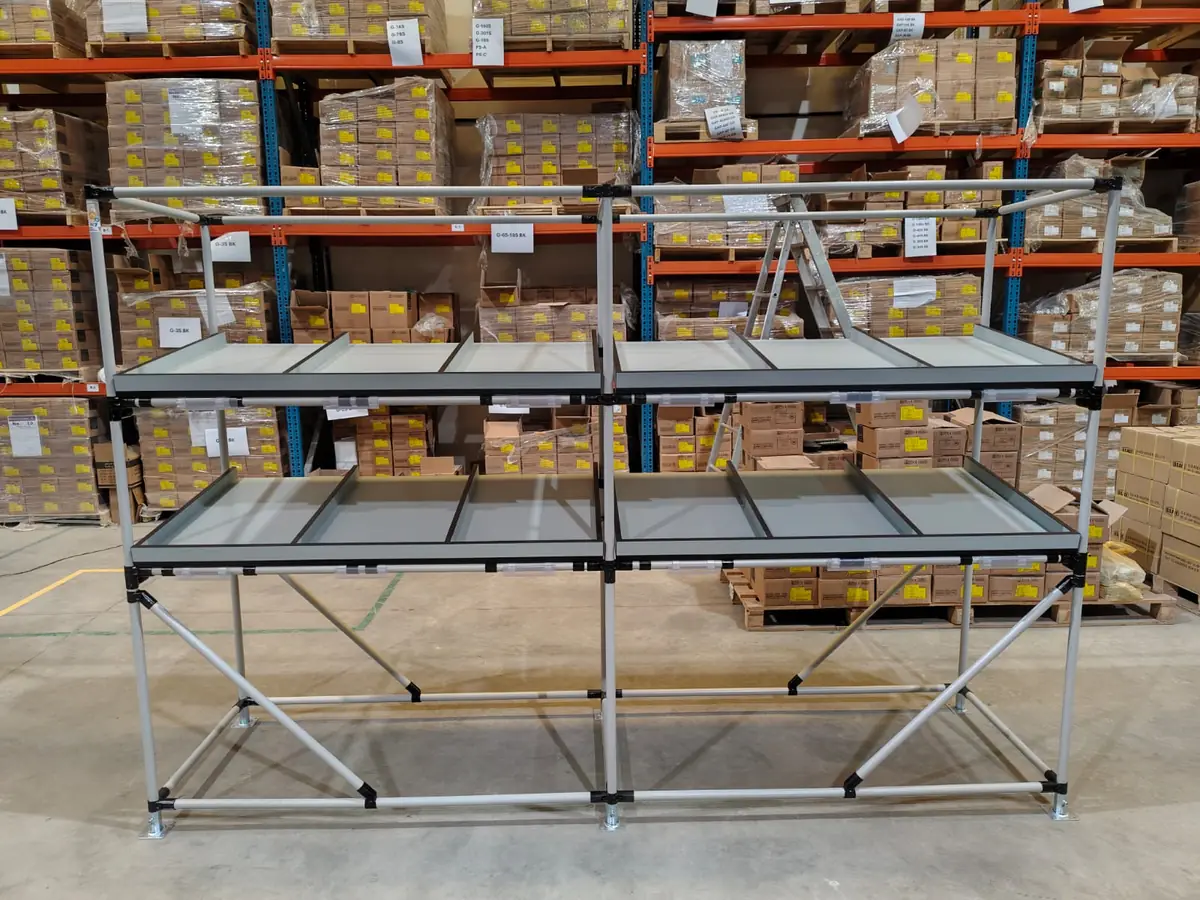 Engineering Guide
Nov 1, 2026 · 6 min read
Aluminum vs. D-Coated Steel Pipe and Joint Systems: Complete Engineering Comparison
How to choose between 28mm resin-coated steel pipes (DP2807–DP2820) and aluminum modular pipes (AP2812 series) for workstations, FIFO flow racks, and mobile trolleys.
28 mmStandard Outer Diameter0.7–2.0 mmSteel Wall Thickness Options (DP2807–DP2820)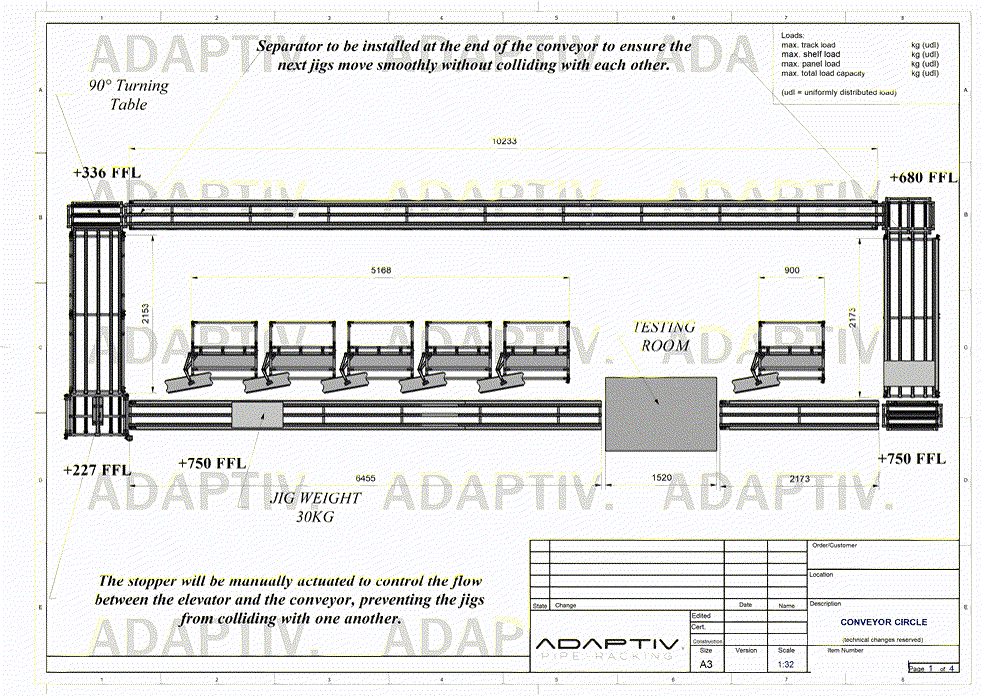 Engineering Guide
Oct 30, 2026 · 7 min read
Karakuri Kaizen: Building Zero-Energy Mechanical Automation with Pipes and Joints
How automotive and industrial plants use gravity, counterweights, cams, and G-SACE pipe-and-joint mechanisms to automate tote transfers with zero electricity.
20–30 kgJigs returned on rollers, not carried by hand5Operators on the line (ADAPTIV project)